A Short History of the UEFA Champions League
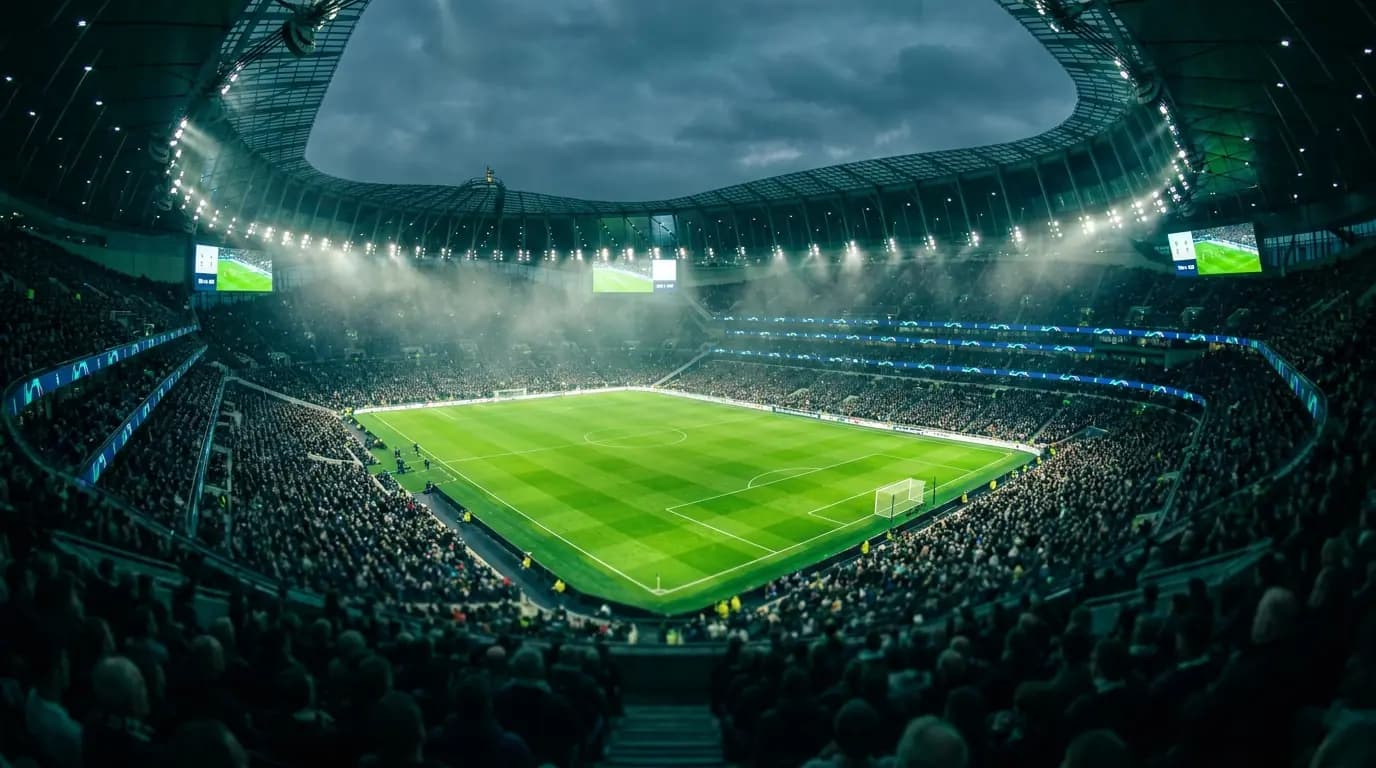
There's no club competition quite like the Champions League. The anthem, the midweek floodlights, the sense that anything can happen — it has become the stage every great player wants to perform on. But it didn't always look this way. The tournament has reinvented itself more than once, and understanding that journey helps explain why a Tuesday night in the group stage can feel so enormous.
The European Cup beginnings
The competition was born in the 1950s as the European Cup, a simple idea with a bold promise: bring together the champions of each country and let them fight it out, home and away, until one was left standing. It was knockout from the first round to the last — lose once and you were gone. That ruthlessness gave the early years their romance, and a handful of clubs built dynasties that fans still talk about decades later.
For a long time only national champions could enter. One club per country, winner takes all. It kept the field small and the drama sharp, but it also meant that some of the continent's best teams could be knocked out before the nights really warmed up.
The 1992 rebrand
Everything changed in 1992. The competition was relaunched as the UEFA Champions League, complete with the now-iconic anthem and a brand built for television. The biggest structural change was the introduction of a group stage, guaranteeing the top clubs a run of matches rather than a single tie that could end their season in ninety minutes.
Over the following years the door opened wider. The strongest leagues earned more than one entrant, so finishing second, third or fourth at home could still be enough to reach Europe's top table. That shift turned the domestic top-four race into a season-long story of its own.
How the modern format works
In its modern shape the competition gathers Europe's leading clubs into a league phase, where every team plays a series of matches against different opponents. The standings that emerge decide who advances and who drops out, and only then does the old knockout magic return for the latter rounds — two legs, away goals long debated, and a single-match final at a neutral venue.
It's a clever blend: the league phase rewards consistency and gives fans more big matches, while the knockouts keep the do-or-die tension that made the European Cup famous in the first place.
Why it matters beyond the trophy
Qualifying for the Champions League is about more than glory. It brings prestige that helps clubs sign the best players, and it shapes ambitions across an entire league. That's why you'll see mid-table sides talk about a 'European push' and why dropping out of the places can reset a club's whole plan for the summer.
Follow any of Europe's biggest clubs on Goalendo and you'll see how their domestic results feed directly into the race for those coveted continental spots — every league win is also a step toward, or away from, these famous nights.
The competition's lasting appeal
What keeps the Champions League special is the feeling that the impossible is always one match away. A smaller club can hold a giant for ninety minutes. A single mistake can end a season. And every few years, a team nobody expected makes a run that reminds everyone why football is worth staying up late for. That unpredictability, wrapped in all the spectacle, is the real prize.