The Role of the Goalkeeper in Modern Football
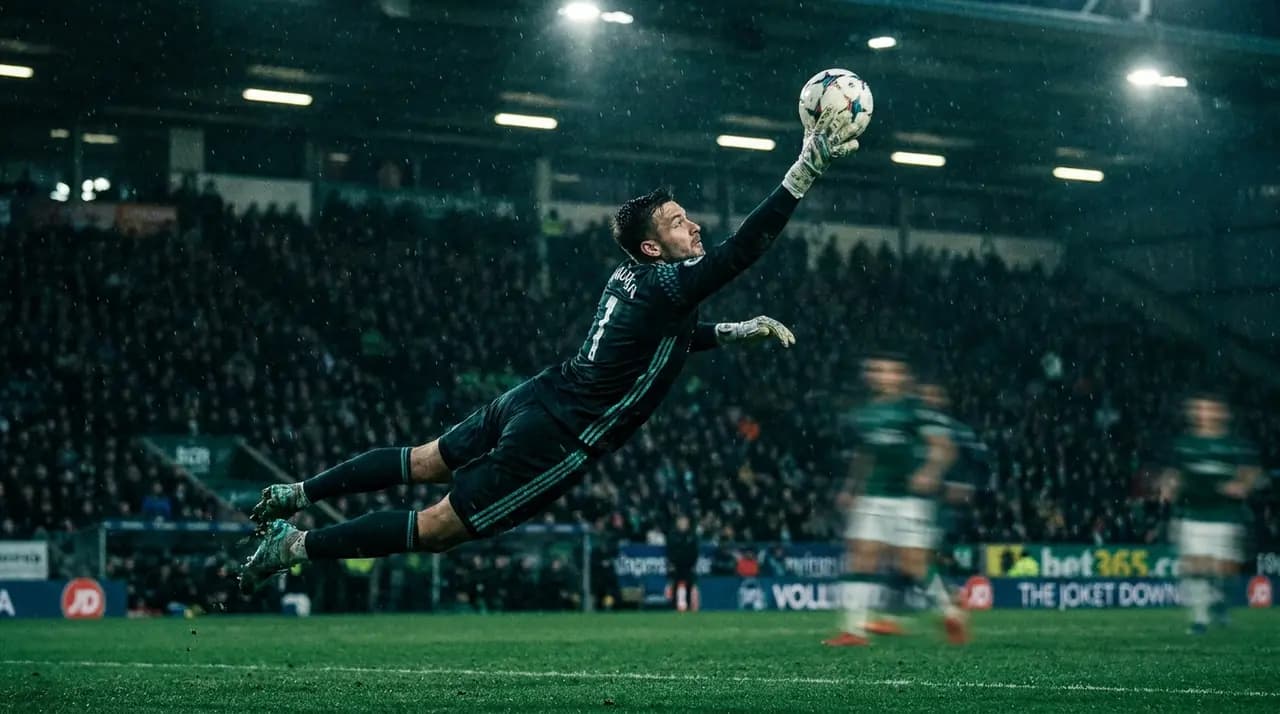
For most of football's history, the goalkeeper had one job: keep the ball out of the net. They were judged on saves and little else. Today the role is far more demanding, and a top keeper is expected to be part shot-stopper, part defender and part playmaker all at once.
The traditional job: stopping shots
At its heart, goalkeeping is still about saves. Reflexes, positioning and bravery decide whether a powerful strike ends up in the net or in safe hands. The best keepers read the game early, set themselves at the right angle, and make difficult saves look routine. A single moment can win a match or save a point.
The modern job: starting attacks
What's changed is what happens after the save — and when the keeper has the ball at their feet. Modern teams ask their goalkeeper to be comfortable in possession, to pass out from the back and to act almost like an extra defender. A keeper who can pick a pass turns a clearance into the start of an attack, and that calmness under pressure has become just as valued as a fingertip save.
Commanding the area
A goalkeeper also runs their penalty box. They organise the defence, call for crosses, and decide in an instant whether to come for a ball or hold their line. Good communication prevents goals before a shot is ever taken, which is why the loudest voice on the pitch often belongs to the player wearing the gloves.
What makes a great keeper
Beyond the physical tools, the best goalkeepers share a mentality: they shake off mistakes fast. A striker can miss five chances and win the game with the sixth; a keeper's error often ends up in the back of the net for everyone to see. Handling that pressure, week after week, is the quiet quality that separates the very best from the rest.